

Why some runners chose to walk at Joe Walker remembrance walk
BY GLORIA IRANKUNDA
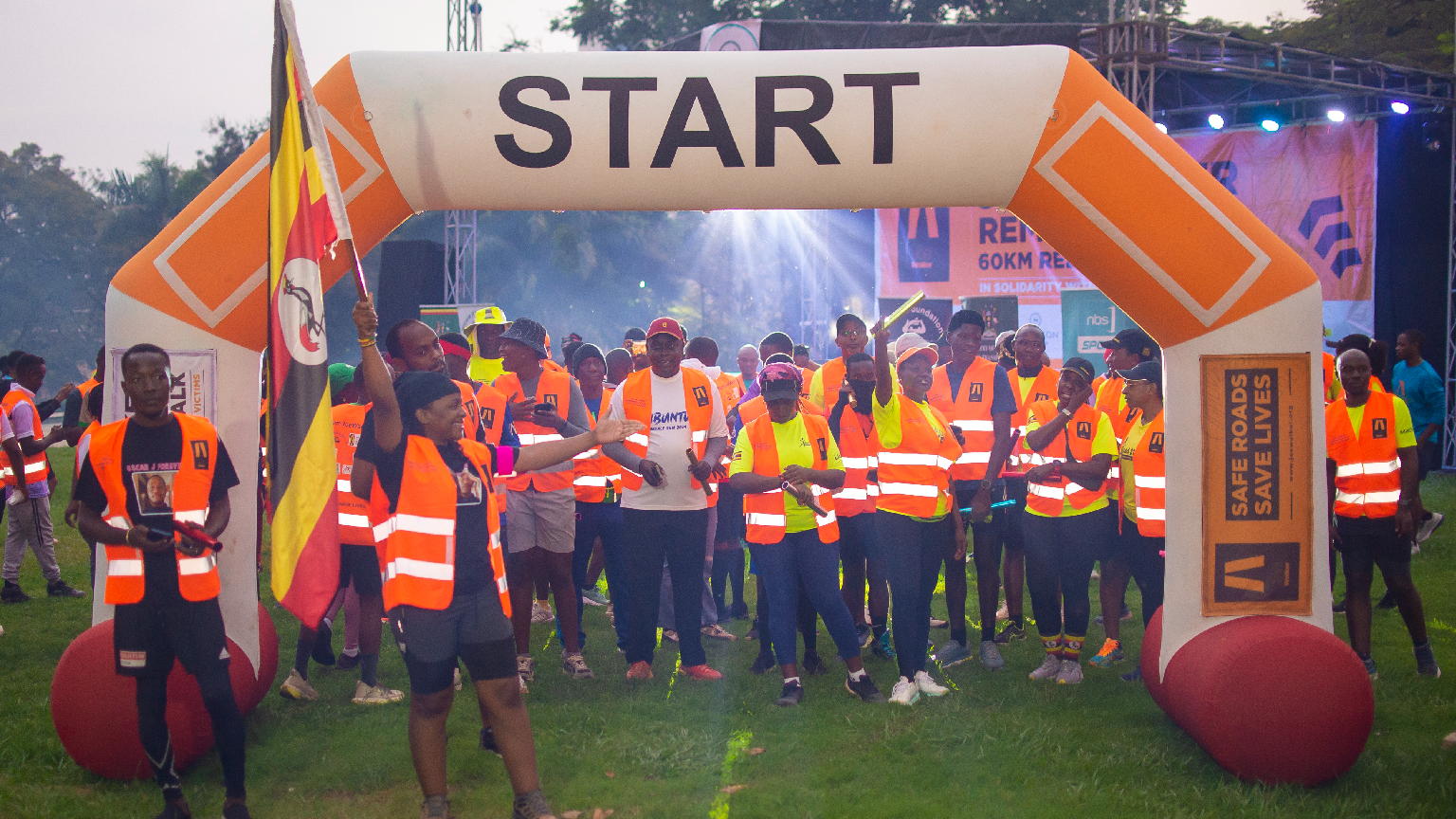
On the day of the Joe Walker remembrance walk, a number of runners put aside their running routines and chose a slower rhythm. The atmosphere itself seemed to encourage reflection rather than speed.
Among the runners was Anita Komukama, a public health worker and recreational runner who balances her love for movement with a passion for wellness.
For Komukama, choosing to walk was intentional. She said that walking shaped her long before she ever took up running.
“Walking has saved my life on many fronts, and the Remembrance Walk is designed as a walking experience, so it felt natural to honour it that way,” she shared. The cause carries a personal weight for her, having lost people she cared about to road accidents. Walking that route gave her space to remember them.
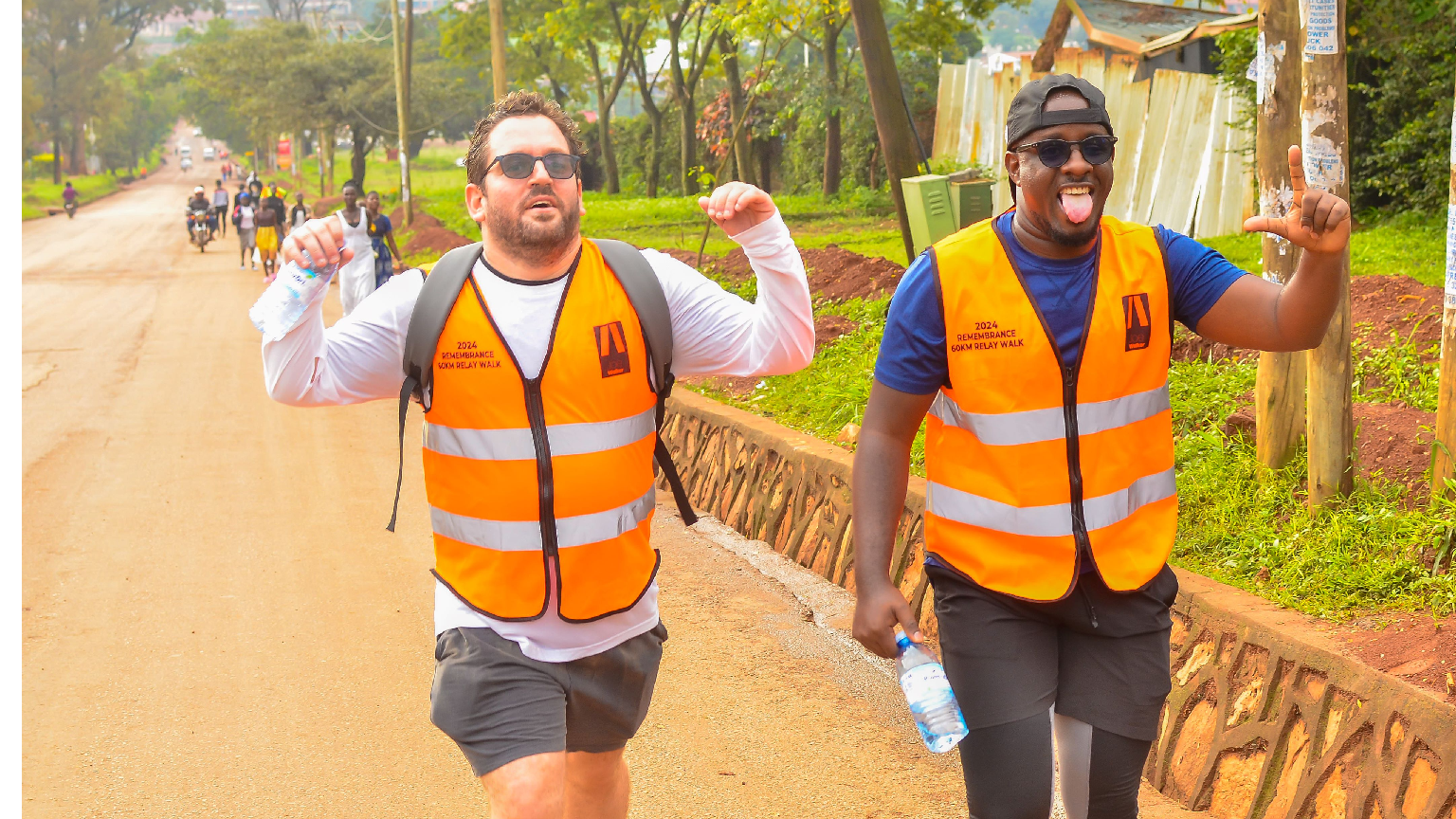
Komukama described walking as emotionally grounding. The terrain from the quiet Kololo stretch to the busy traffic along Jinja Road gave her room to observe, reflect and stay present.
Running it, she said, demands something entirely different. The climbs, the effort, the focus and the fight for momentum pull the mind into performance mode. “Walking invites reflection, running demands endurance.”
For fellow runner Linda Mirembe, the decision to walk was also driven by the desire to raise awareness about road safety and honour the victims of road crashes.
She had followed last year’s remembrance walk, where some individuals took on 60 kilometres, a distance she felt was beyond her ability. This time, with individual intervals of 10 and 20 kilometres, she found an entry point, walking 20 kilometres.

Mirembe is used to blending walking into her runs. It is part of how she unwinds. On walks, she listens to music or a podcast, pays attention to details she often misses when running, and lets her mind settle.
During the remembrance walk, that familiar pace helped her take in the scenery, the people, the structures tucked along the route and the atmosphere around her.
“When you are walking, there’s a way you pay attention to certain things you usually ignore during a run,” she mentioned.
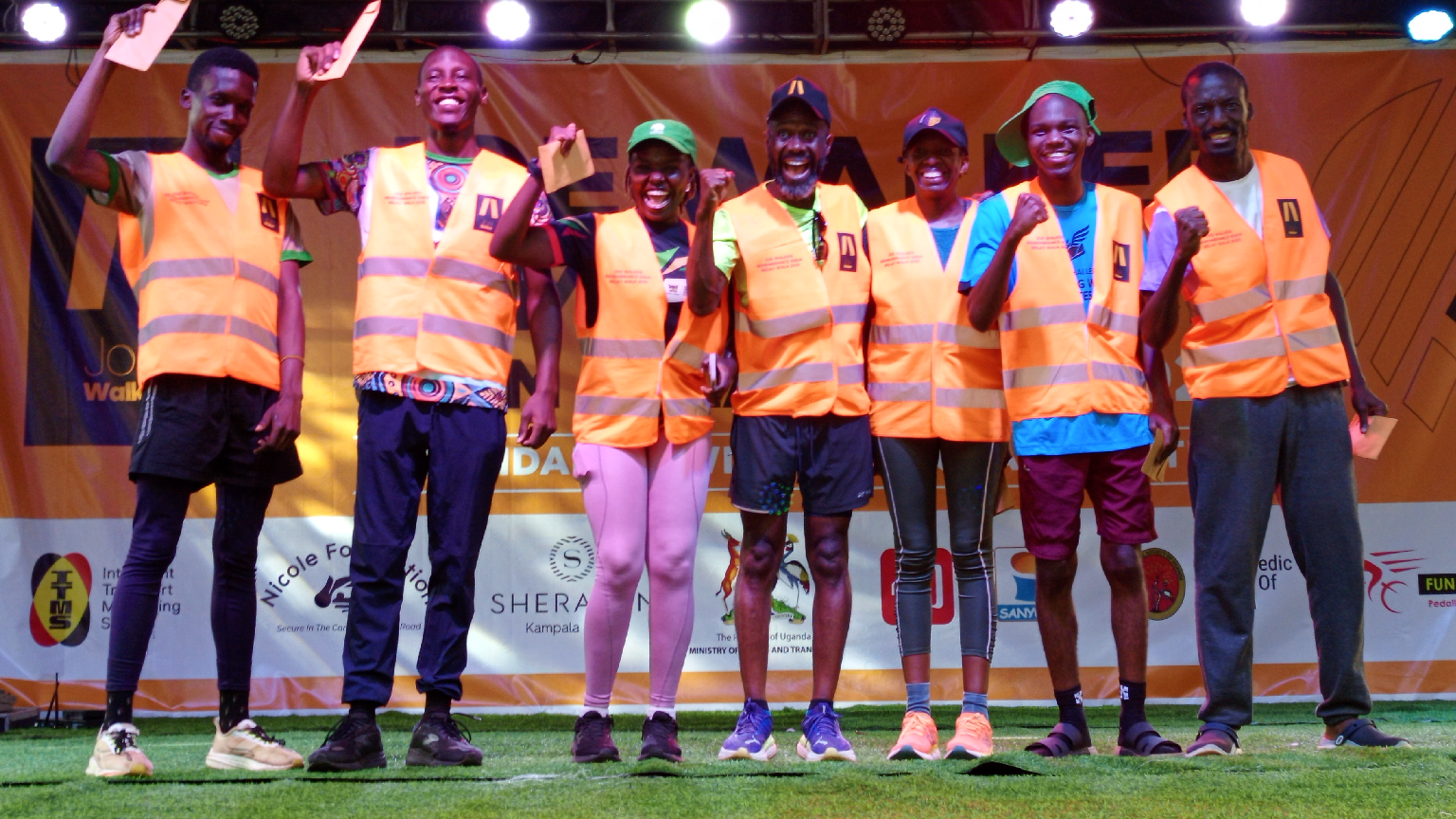
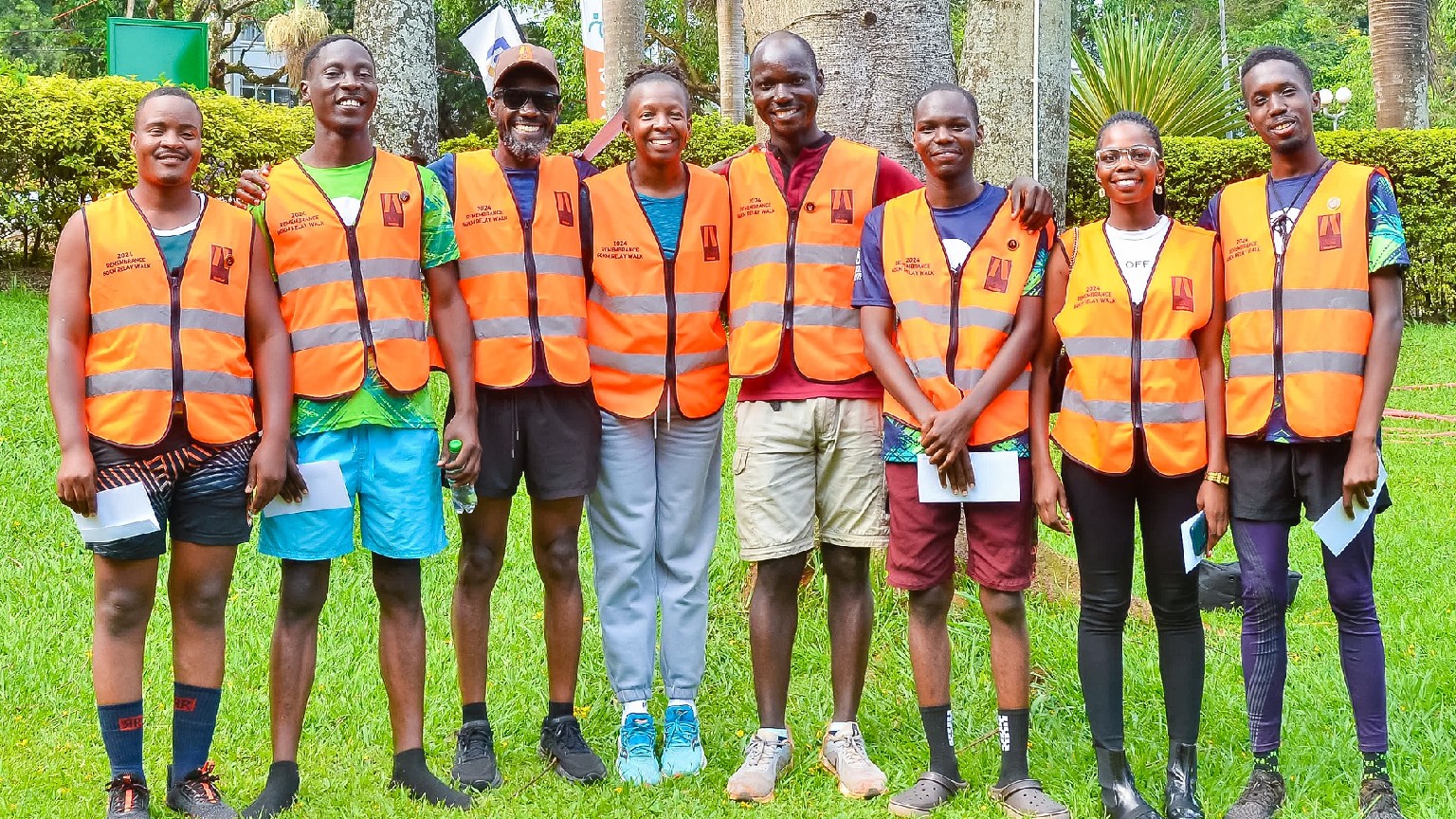
The walk brought both women closer to the human moments along the route. Komukama remembers long reflective conversations with her walk mate, conversations she says would not have been possible while running. She also recalls a relay team that walked in honour of a loved one who died in an accident. Their dedication stood out. “It was such a meaningful way to remember him,” she shared.
For Mirembe, the encouragement from strangers surprised her. Marshals stood in place for hours cheering and guiding walkers. People along the route signalled support. It gave her a sense of community she had never experienced on a run. “That level of commitment is remarkable,” she said.
Preparation
In terms of preparation, both runners say walking requires far less structure. Komukama’s walking routine is intuitive, often guided by her mood or what she needs mentally, a playlist, a prayer, a moment to slow down. Running, however, demands a plan: speed sessions, long runs, hill work, proper hydration, fuelling and adjusting shoes based on the day’s goal.
Mirembe did not prepare differently at all for the walk. With her running shoes and workout gear, she showed up ready. Two years of consistent running have kept her fit enough to take it on without much extra effort.
Supporting the cause is what united them. Komukama, who rides, drives and walks the same roads that claim countless lives, says the walk is a reminder that anyone could become a statistic.
She believes every stakeholder has a role in stopping the rising cases of road carnage. “Walking is a better way to exercise while contributing to such a meaningful and impactful cause,” she explained.
Mirembe hopes more young people will step away from their screens and take part. Walking, she said, clears the mind and gives a sense of presence. “Our generation is always on phones. We need to get off our phones and walk, think and see what is around us,” she says.
For both women, choosing to walk instead of run was not a step back from their identity as runners. It was a step toward something bigger: community, memory, awareness and a shared responsibility for safer roads. And in that slower pace, they found clarity, connection and purpose, one footstep at a time.